Beam-steering loudspeakers
SL-60
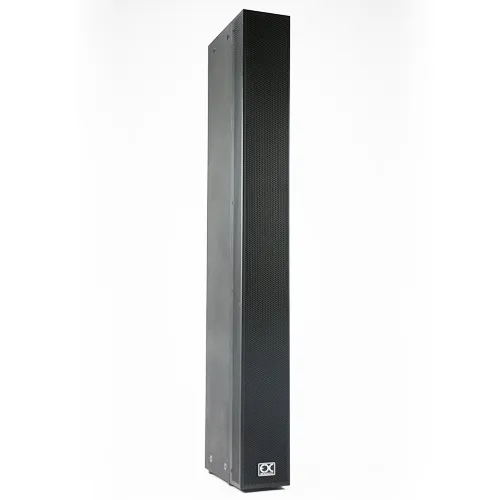
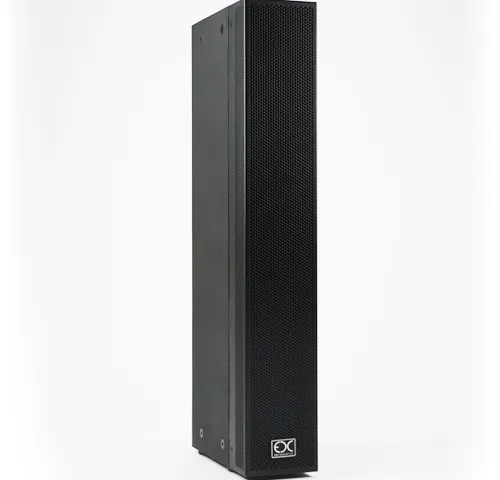
Slim-line 60-channel column for wide, shallow rooms.
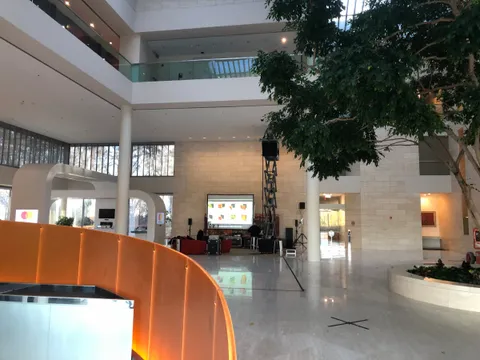
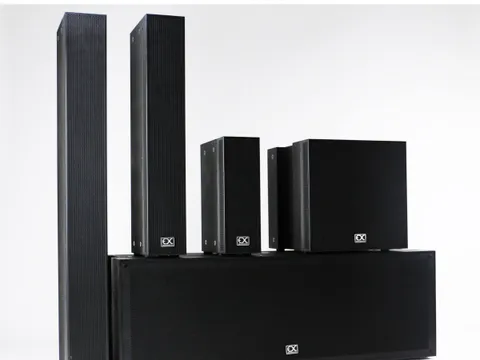
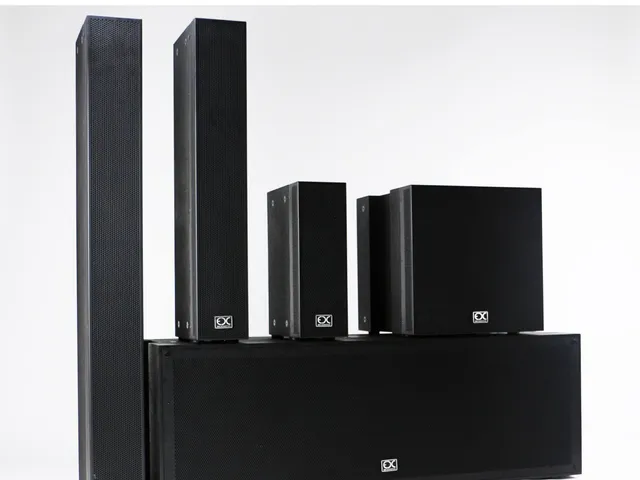
Sixty transducers in a 1,290 mm slim column only 147 mm deep. Eight SL-60s cover Mastercard's New York headquarters alongside SQ-90s and SS-3s in a room with an RT60 above six seconds.
US list price. Project and regional pricing through distributors.
- 60 channels and four beams in a 147 mm-deep cabinet
- Used as slim delays at Mastercard Global Office
- An SL-90 (90 channels, 1,720 mm) is documented in the slim datasheet
Specifications
SL-60 at a glance
Values from the current EDC datasheet. Notes mark figures that differ between documents and are being reconciled.
| Acoustic | |
| Frequency range | 80 Hz – 20 kHz (±3 dB) |
|---|---|
| SPL | 101 dB at 10 m (1 element), configuration dependentPeak and continuous figures with method to be published. |
| Coverage control | 1° – 120° horizontal and vertical |
| Beams | 4, independently shaped |
| Transducers & amplification | |
| HF drivers | 54 × 1" soft dome, each individually powered |
| LF / mid drivers | 6 × 5", each individually powered |
| DSP channels | 60 |
| Connectivity | |
| Audio | 1 × XLR3 line in, 1 × XLR3 line out; optional AES3 or Dante input |
| Control | RJ45 Ethernet 10/100 |
| Power | |
| Mains | powerCON TRUE1, 110 – 255 V AC |
| Physical | |
| Dimensions (W × H × D) | 142 × 1290 × 147 mm |
| Weight | 28 kg |
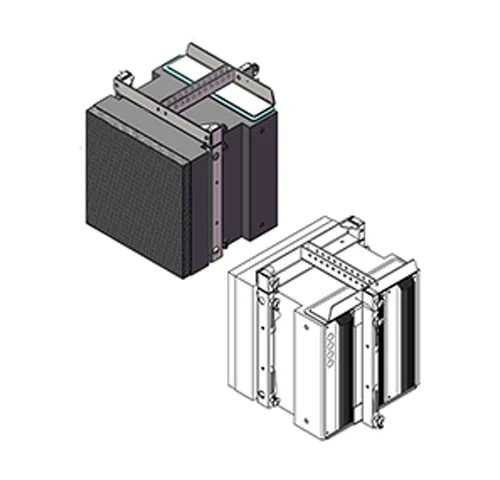
| Rigging | 8 × M10; slim U-bracket (CS-90 UB fits SL-60) |
| Options | |
| Weatherised · Monitored · Dante/AES · 24 V DC | Available |
The SL-60 is the slim column for wide, shallow rooms and long delays: sixty individually amplified transducers in a line 1,290 mm tall and 147 mm deep. At Mastercard’s New York headquarters eight SL-60s work with eight SQ-90s and two SS-3 subwoofers in a space with a reverberation time above six seconds; EDC reports a speech transmission index above 0.85, a result the client said they “would not have believed if proved in advance”.
Downloads
Documents for the SL-60
- 3d-pdf 3D PDF models (SC-30, SC-30SL, SC-60, SC-60SL, SC-90, SC-90SL, SQ-90, SS-1, SS-3, wedge)
- ae-spec Architects & Engineers specifications (v1) v1 · 2024-06 · 0.1 MB
- cad CAD (DWG / STEP) and Revit families — all models — to be published
- compliance Declarations of conformity (CE/UKCA, FCC, RCM) — to be published
- datasheet Slim column series specifications — SL-30, SL-60 (v5) v5 · 2024-10 · 0.8 MB
- gll GLL / EASE Focus data — all models — to be published
- rigging Slimline column series U-brackets 2024-04 · 0.5 MB
- warranty Warranty terms — to be published
Questions about the S-Series
What is the frequency range?
How loud are they?
Can they be used outdoors?
Do they take Dante or AES3 digital audio?
How are they mounted?
Can the system report faults?
Next step
Hear what happens when nothing else interferes.
An EDC session is a technical evaluation of sound behaviour, not a sales demonstration. See reflections reduced, coverage stabilised and spatial accuracy preserved — modelled first, then measured.