Beam-steering loudspeakers
SC-90
90-channel column — full control from 350 Hz.
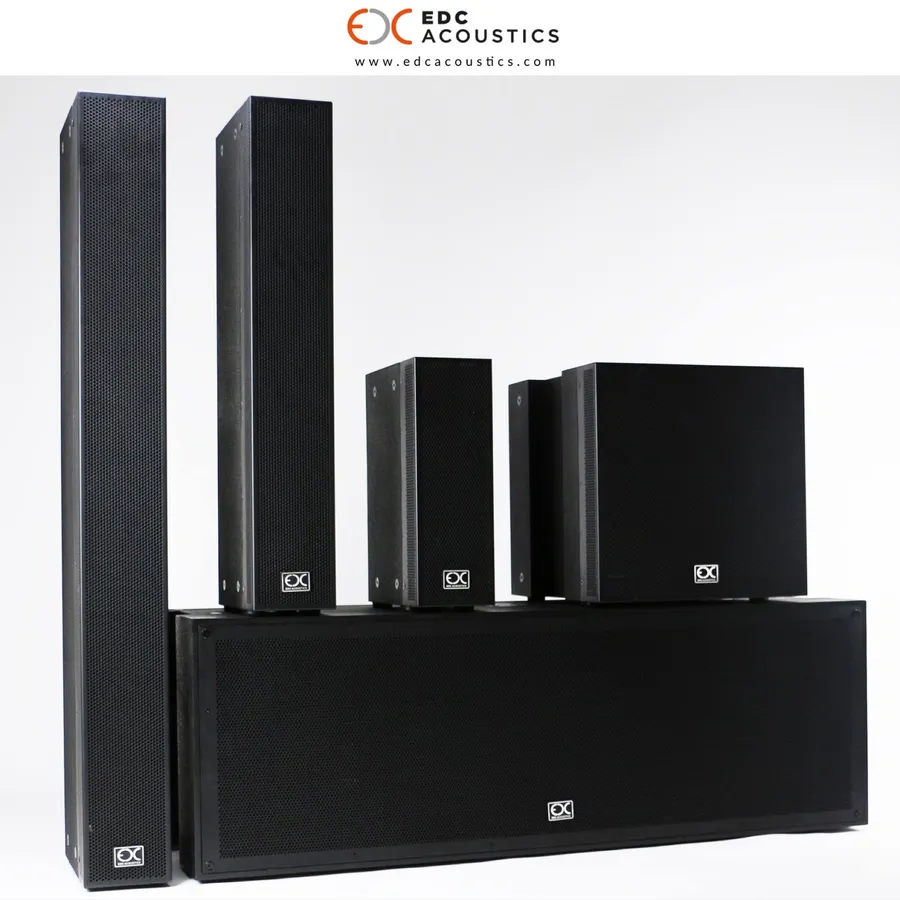
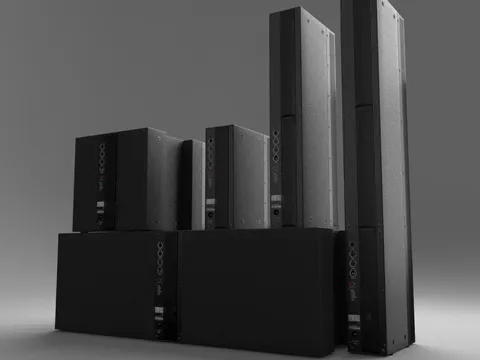
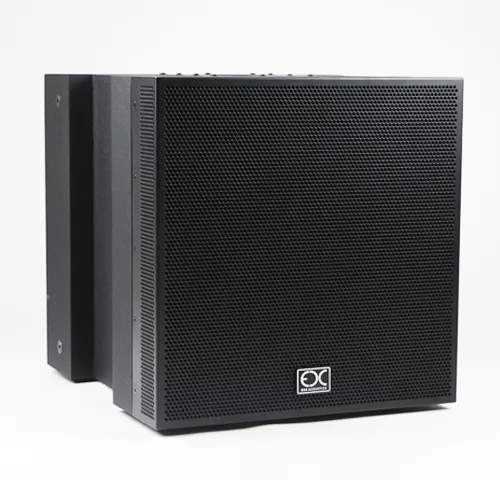
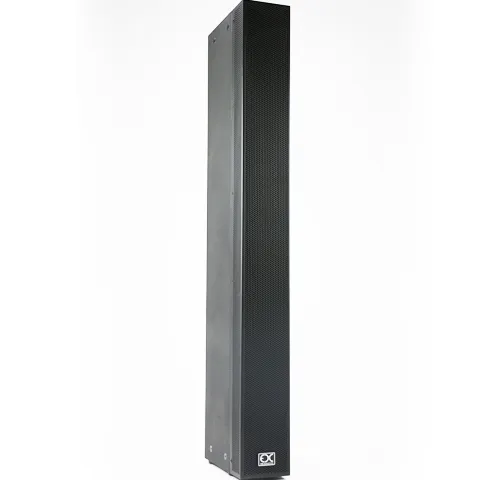
The largest S-Series column: 90 individually amplified transducers in a 1,290 mm cabinet. Vertical control from 350 Hz, four beams, and particularly effective mounted horizontally across wide spaces.
US list price. Project and regional pricing through distributors.
- 90 transducers — the same channel count as the SQ-90 in a column format
- Vertical control from 350 Hz for long throws and reverberant rooms
- Very effective in horizontal alignment across platforms and concourses
Specifications
SC-90 at a glance
Values from the current EDC datasheet. Notes mark figures that differ between documents and are being reconciled.
| Acoustic | |
| Frequency range | 100 Hz – 20 kHz (±3 dB) |
|---|---|
| SPL | 104 dB at 10 m (1 element), configuration dependentPeak and continuous figures with method to be published. |
| Coverage control | 1° – 120° horizontal and vertical |
| Beams | 4, independently shaped |
| Vertical control from | 350 Hz |
| Horizontal control from | 3 kHz |
| Transducers & amplification | |
| HF drivers | 81 × 1" soft dome, each individually powered |
| LF / mid drivers | 9 × 5", each individually powered (200 W) |
| DSP channels | 90 |
| Processing | |
| User DSP | HPF/LPF to 48 dB/oct · 8-band EQ · compressor · limiter · delay to 100 m · FIR 2,048 taps |
| Connectivity | |
| Audio | 1 × XLR3 line in, 1 × XLR3 line out; optional AES3 or Dante input |
| Control | RJ45 Ethernet 10/100 |
| Power | |
| Mains draw | 600 W / 2.5 A (music), powerCON TRUE1, 110 – 255 V AC |
| Physical | |
| Dimensions (W × H × D) | 142 × 1290 × 330 mm |
| Weight | 36 kg |
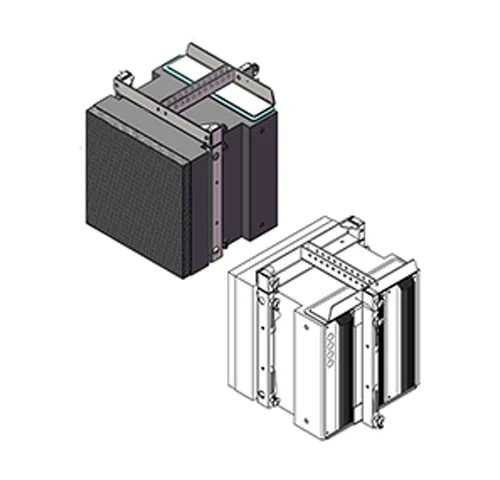
| Rigging | 8 × M10; U-bracket CS-90 UB |
| Options | |
| Weatherised · Monitored · Dante/AES · 24 V DC | Available |
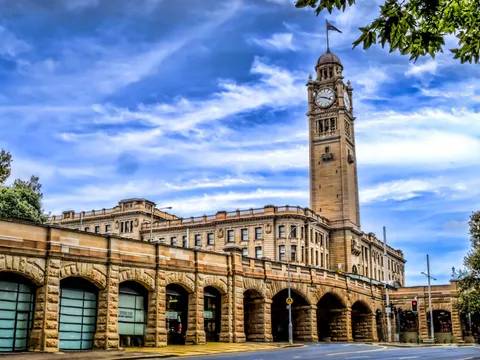
The SC-90 carries the SQ-90’s ninety channels in a column: 81 high-frequency and 9 mid-range drivers, each with its own amplifier and processing, controlling the vertical pattern from 350 Hz. Mounted horizontally it becomes a very wide, very shallow source — the configuration used across Sydney Central Station’s platforms to keep announcements intelligible on one platform and quiet on the next.
Downloads
Documents for the SC-90
- 3d-pdf 3D PDF models (SC-30, SC-30SL, SC-60, SC-60SL, SC-90, SC-90SL, SQ-90, SS-1, SS-3, wedge)
- ae-spec Architects & Engineers specifications (v1) v1 · 2024-06 · 0.1 MB
- cad CAD (DWG / STEP) and Revit families — all models — to be published
- compliance Declarations of conformity (CE/UKCA, FCC, RCM) — to be published
- datasheet Column series specifications — SC-30, SC-60, SC-90 (January 2025) 2025-01 · 2025-01 · 0.5 MB
- datasheet Column series specifications (v5, superseded) v5 · 2024-10 · 0.8 MB
- datasheet Weatherproof series specifications 2025-01 · 2025-01 · 0.1 MB
- gll GLL / EASE Focus data — all models — to be published
- rigging Column series mounting points 2024-04 · 0.7 MB
- rigging Column series U-brackets 2024-04 · 0.5 MB
- warranty Warranty terms — to be published
Questions about the S-Series
What is the frequency range?
How loud are they?
Can they be used outdoors?
Do they take Dante or AES3 digital audio?
How are they mounted?
Can the system report faults?
Next step
Hear what happens when nothing else interferes.
An EDC session is a technical evaluation of sound behaviour, not a sales demonstration. See reflections reduced, coverage stabilised and spatial accuracy preserved — modelled first, then measured.