Transportation · Sydney, Australia
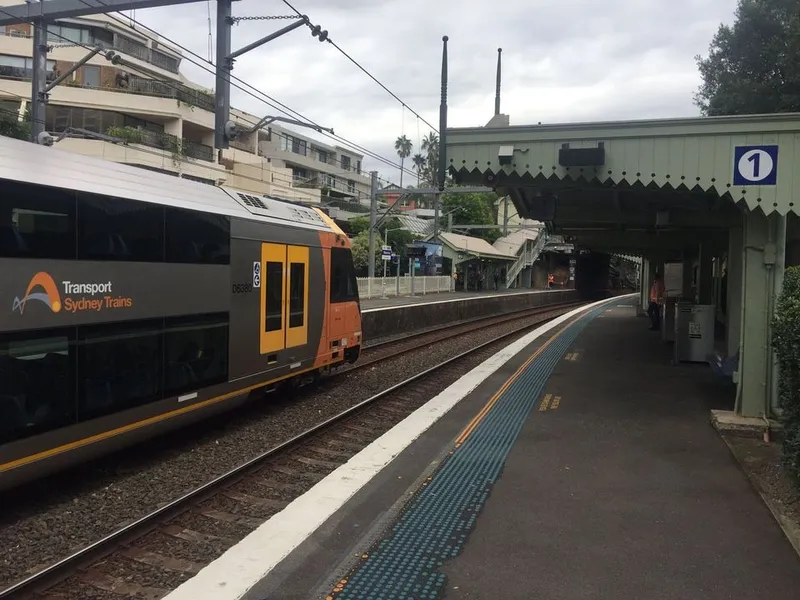
Sydney Central Station
Heritage-listed interchange serving 250,000 people a day. Horizontally mounted SC columns cut cross-platform spill, improved intelligibility and needed far fewer cabinets than a distributed system.

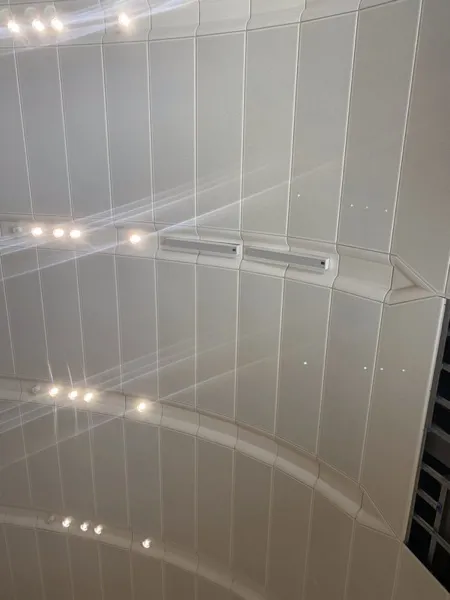
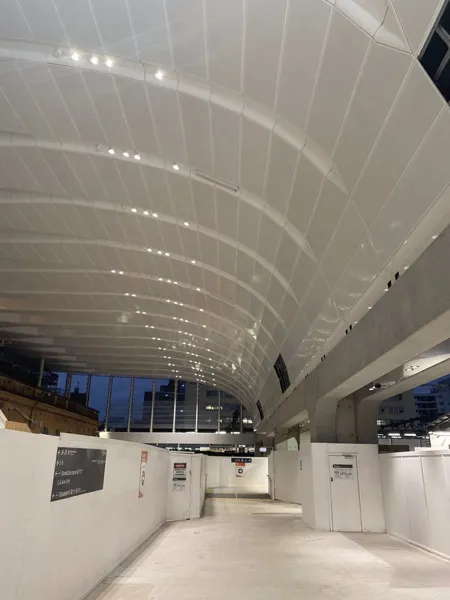
As one of Australia’s most significant transport interchanges, Sydney Central is a heritage-listed railway station serving over 250,000 people every day. Ensuring people can hear travel announcements is crucial, and the building’s hard surfaces and open platforms make it one of the harder places to do so.
Brief
Reduce environmental noise spill and cross-platform interference; achieve high intelligibility in specific areas; work within the mounting positions a heritage station allows.
Solution
SC-series columns mounted horizontally, so each platform’s announcements stay on that platform and off the tracks opposite. Improved sound quality and a more natural tone than conventional distributed systems, from far fewer cabinets — minimising disruption and installation cost. Inbuilt Dante and network daisy-chaining allowed simple installation and expansion, and transducer and amplifier failures are monitored remotely without the assumptions of impedance-based line monitoring.
Outcome
Noise pollution issues resolved and intelligibility increased in the targeted areas. EDC’s S-Series is deployed across the Sydney Trains network; trade coverage of the Waverton and Chatswood installations describes SC columns covering 150-metre platforms.
Outcome
- Noise pollution and cross-platform interference resolved
- Intelligibility increased in the targeted areas
- Far fewer cabinets than a conventional distributed system, reducing disruption and installation cost
- Remote monitoring of transducer and amplifier faults
Coverage

More case studies
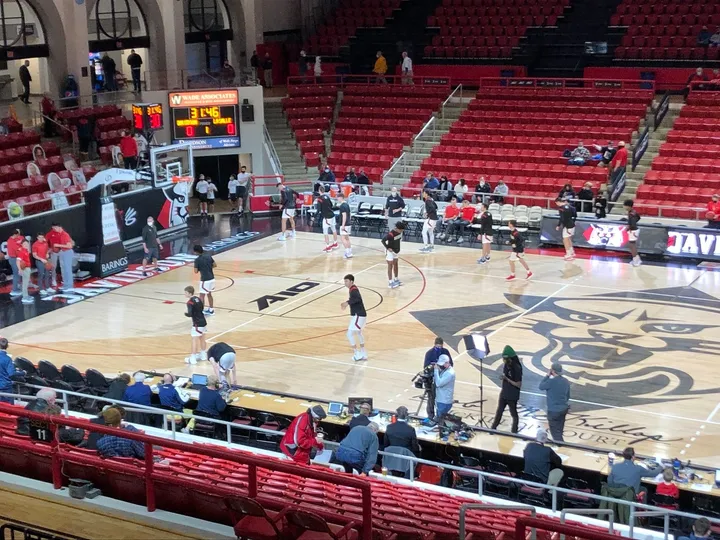
Davidson College Wildcats
Davidson, North Carolina, USA
A 5,300-seat, multi-level, highly reverberant arena. Integrator Clarity selected SQ-90s to shape the wavefront to the room and minimise hangs.
SQ-90 arrays
Edwards Lifesciences
California, USA
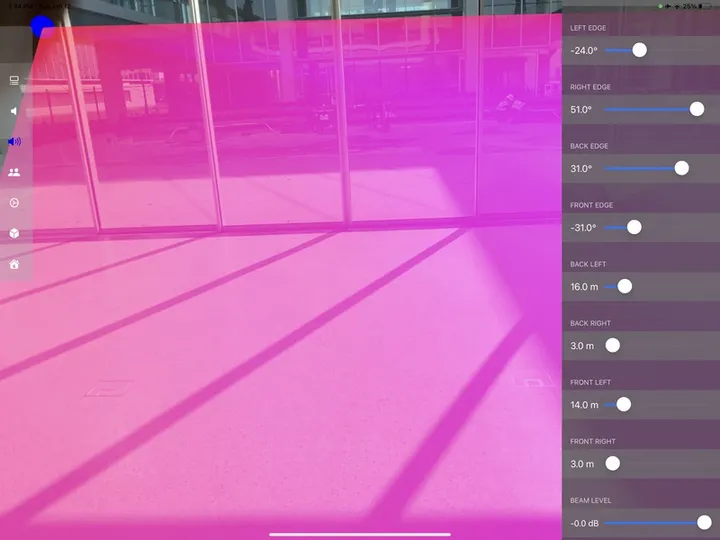
Zoned audio across an LED wall from four SC-60s mounted horizontally above each section — one beam per zone, a second beam for the whole space.
4 × SC-60
Mastercard
New York, USA
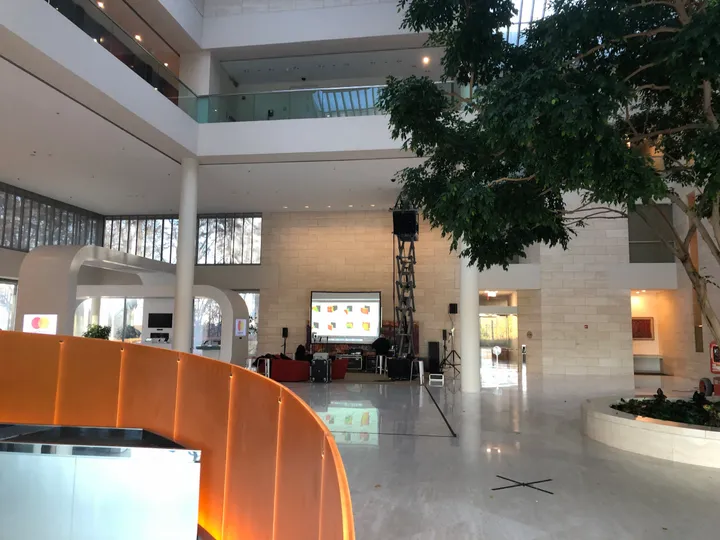
A large, highly reverberant headquarters space with multiple modes of use. SQ-90, SS-3 and SC-60SL cabinets achieved a speech transmission index above 0.85 in a room with an RT60 over six seconds.
8 × SQ-90 · 2 × SS-3 · 8 × SL-60
Next step
Hear what happens when nothing else interferes.
An EDC session is a technical evaluation of sound behaviour, not a sales demonstration. See reflections reduced, coverage stabilised and spatial accuracy preserved — modelled first, then measured.