House of worship · Charlotte, North Carolina, USA
St Ann Catholic Church
A 1955 parish church with a reverberation problem and no appetite for acoustic panels. Two SQ-90s replaced six ceiling loudspeakers and covered the whole floor from a single location.
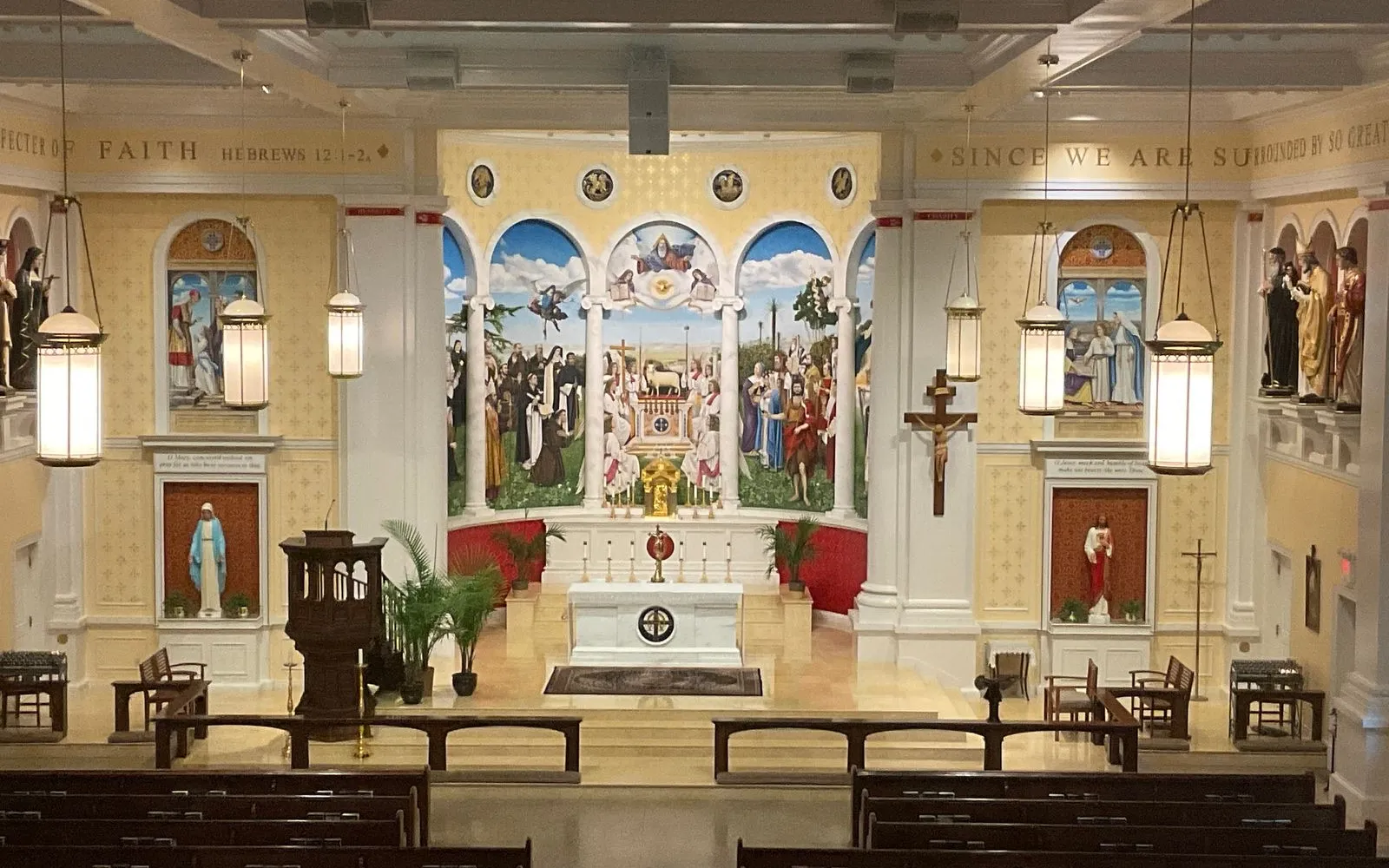
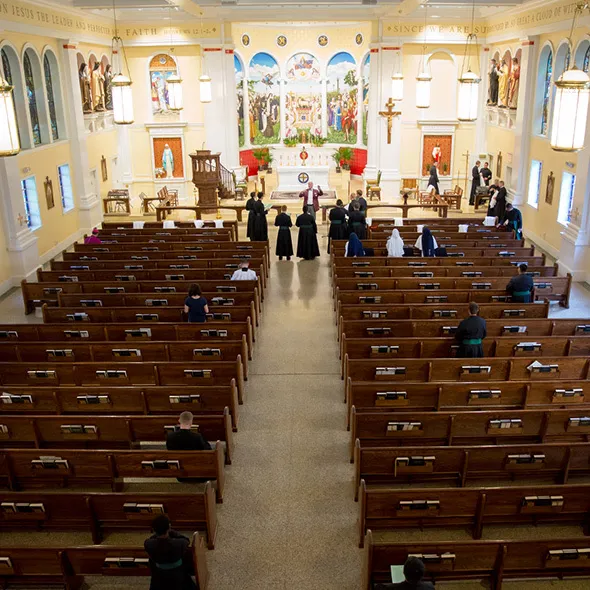
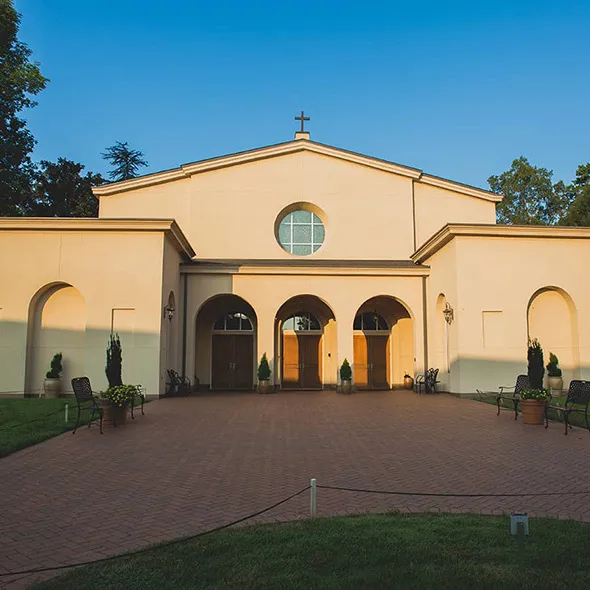
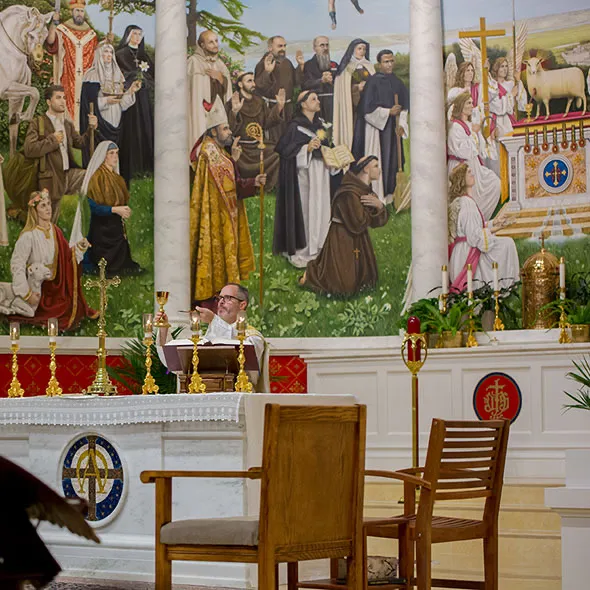
Since 1955 St Ann Catholic Church has been at the core of the Charlotte community. The acoustically challenging space was having a direct impact on services.
Brief
Reverberation was creating such a problem that the parish needed professional help. The church had six loudspeakers on the ceiling; because they were far from the listener, the congregation heard several loudspeakers arriving at different times. Preserving the integrity of the building was important — acoustic panels were not an option.
Solution
Two SQ-90s from a single location, with beams shaped to cover the entire floor while minimising reflections more than any single conventional loudspeaker could.
Outcome
A near-field-sounding system in a highly ambient room, and a service the whole parish can follow.
Outcome
- Six ceiling loudspeakers with multiple arrival times replaced by two cabinets
- Whole floor covered from one location, minimising reflections
- Building interior preserved — no acoustic panels
More case studies
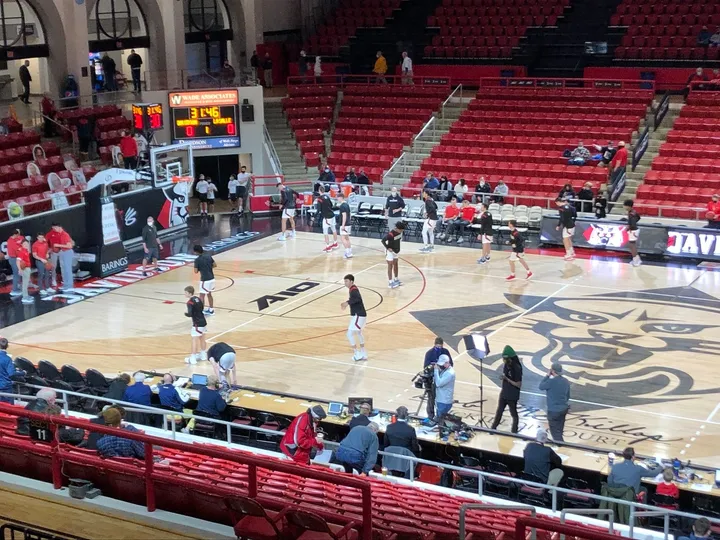
Davidson College Wildcats
Davidson, North Carolina, USA
A 5,300-seat, multi-level, highly reverberant arena. Integrator Clarity selected SQ-90s to shape the wavefront to the room and minimise hangs.
SQ-90 arrays
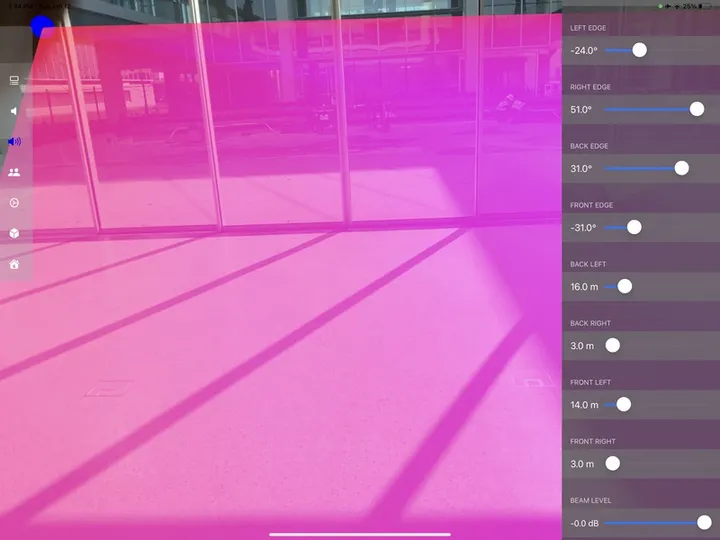
Edwards Lifesciences
California, USA
Zoned audio across an LED wall from four SC-60s mounted horizontally above each section — one beam per zone, a second beam for the whole space.
4 × SC-60
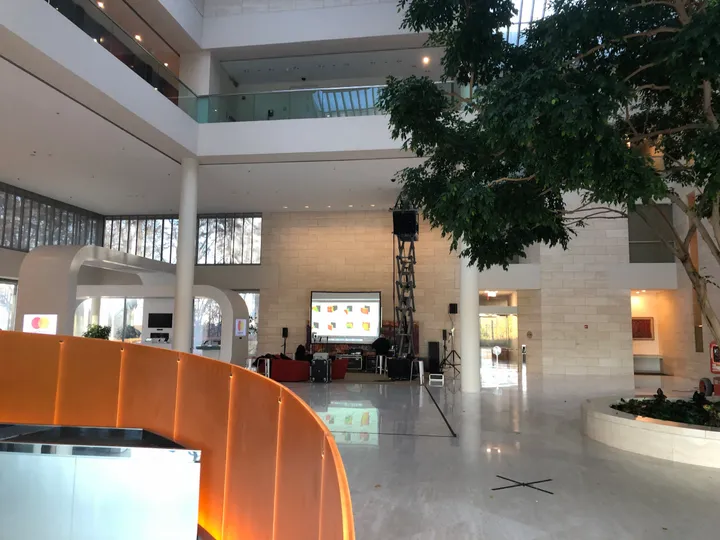
Mastercard
New York, USA
A large, highly reverberant headquarters space with multiple modes of use. SQ-90, SS-3 and SC-60SL cabinets achieved a speech transmission index above 0.85 in a room with an RT60 over six seconds.
8 × SQ-90 · 2 × SS-3 · 8 × SL-60
Next step
Hear what happens when nothing else interferes.
An EDC session is a technical evaluation of sound behaviour, not a sales demonstration. See reflections reduced, coverage stabilised and spatial accuracy preserved — modelled first, then measured.